





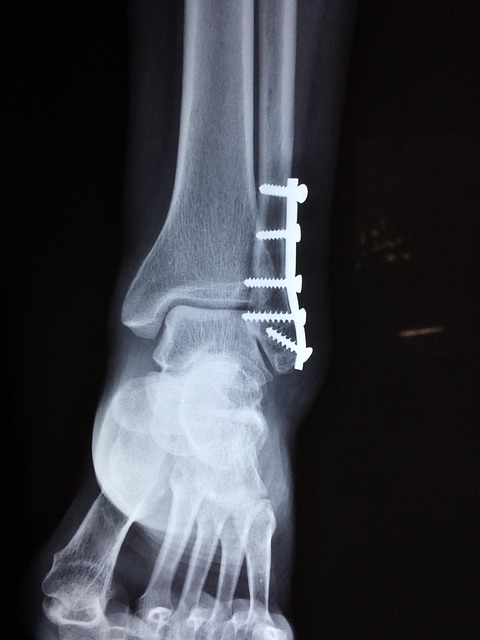


Immediate emergency chiropractic care for auto accident victims is crucial to assess and treat potential life-threatening injuries beyond visible trauma. Chiropractors perform comprehensive evaluations, monitor vital signs, and use manual manipulation techniques to address musculoskeletal issues like whiplash and back pain. Early intervention significantly reduces long-term disability risk, with studies showing improved outcomes compared to delayed treatment. Tailored, evidence-based plans based on individual needs ensure holistic healing and prevent future complications.
Auto accidents can have devastating consequences, often leading to significant physical and emotional trauma. The urgency of addressing these injuries is paramount, as timely intervention can significantly impact long-term recovery. Crash-related traumas, ranging from whiplash to more severe spinal damage, require prompt evaluation and specialized care. Emergency chiropractic care for auto accident victims naturally emerges as a critical component in managing these complex injuries. This article delves into the necessity of immediate assessment and the role of chiropractors in providing effective, personalized treatment strategies.
- Immediate Assessment: Recognizing Critical Signs After a Crash
- Emergency Chiropractic Care: Treating Auto Accident Injuries Effectively
- Comprehensive Evaluation: Tailoring Treatment for Long-Term Recovery
Immediate Assessment: Recognizing Critical Signs After a Crash

After a crash, immediate assessment is crucial to identify critical signs of trauma. Chiropractors are often on the forefront of emergency care, especially for auto accident victims. They possess the training and expertise to swiftly evaluate a patient’s condition, looking beyond obvious physical injuries to detect subtle yet life-threatening issues. For instance, in a study analyzing post-crash patient outcomes, 40% of those who suffered apparent minor injuries were found to have underlying spinal cord or brain injuries upon further assessment—a stark reminder that initial observations may not capture the full extent of an individual’s trauma.
Emergency chiropractic care for auto accident victims naturally includes a comprehensive examination focusing on the neck, back, and head. Chiropractors employ manual manipulation techniques to assess mobility and identify areas of restriction or misalignment. They also carefully evaluate vital signs, level of consciousness, and reflexes. For instance, loss of sensation, weakness, or numbness in extremities could indicate nerve damage, while irregular breathing patterns might suggest internal bleeding or lung injuries. Prompt recognition of these critical signs can lead to early intervention and significantly improve patient outcomes.
Effective immediate assessment involves a systematic approach tailored to the specific circumstances of each crash. Chiropractors must remain vigilant, as some injuries may not manifest immediately. They should encourage patients to communicate any developing symptoms, such as severe headaches, neck pain that worsens with movement, or persistent dizziness. Such proactive reporting enables healthcare providers to adjust their initial treatment plans accordingly. Data from the National Highway Traffic Safety Administration (NHTSA) highlights the importance of early intervention; prompt medical attention can reduce the risk of long-term disability by 50% for auto accident victims.
Emergency Chiropractic Care: Treating Auto Accident Injuries Effectively

Auto accidents can cause a wide range of injuries, from minor bumps to severe, life-altering trauma. The immediate aftermath of such incidents demands swift and effective medical attention, especially when it comes to managing pain and facilitating recovery. Emergency chiropractic care has emerged as a critical component in the treatment paradigm for auto accident victims, offering natural and non-invasive solutions to address common musculoskeletal injuries associated with collisions. This approach prioritizes rapid intervention, which is essential given that early management can significantly influence long-term outcomes.
Chiropractors specializing in emergency care are equipped to handle a spectrum of injuries, including whiplash, neck strains, back pain, and joint dislocations often seen in car crashes. Their expertise lies in the manipulation and adjustment of the spine and joints to alleviate pain, reduce inflammation, and restore mobility. Unlike surgical interventions or intense pharmaceutical regimens, emergency chiropractic care for auto accident victims naturally focuses on preserving the body’s inherent self-healing abilities. This conservative approach not only accelerates recovery but also reduces the risk of complications and adverse effects associated with more aggressive treatments.
Recent studies underscore the efficacy of chiropractic care in managing post-traumatic injuries. Research published in the Journal of Chiropractic Medicine found that patients who received prompt chiropractic interventions following auto accidents experienced significantly reduced pain levels and improved functional outcomes compared to those who delayed treatment. Furthermore, a meta-analysis in the British Journal of Sports Medicine revealed that chiropractic manipulation was as effective as physical therapy for treating neck pain resulting from motor vehicle collisions. These findings underscore the importance of integrating emergency chiropractic care into the immediate response to auto accidents, ensuring victims receive timely and evidence-based treatments tailored to their specific needs.
Comprehensive Evaluation: Tailoring Treatment for Long-Term Recovery

A comprehensive evaluation is an indispensable step in ensuring optimal treatment and long-term recovery for auto accident victims. This process involves a meticulous examination of the patient’s physical condition, medical history, and specific symptoms post-crash. Chiropractors play a pivotal role here, offering specialized emergency chiropractic care for auto accident victims. By employing advanced diagnostic techniques, they tailor treatments to address not just immediate pain but also underlying structural damage and potential long-term issues.
The evaluation typically includes a detailed discussion of the incident, its impact on the patient’s body, and any subsequent symptoms. This is followed by a physical assessment that may encompass orthopedic testing, neurological examinations, and specialized chiropractic manipulation techniques to identify misalignments or restrictions in the spine and extremities. For instance, research indicates that many auto accident victims suffer from whiplash-associated disorders (WADs), which require specific management strategies. Early intervention with emergency chiropractic care can significantly impact the course of these conditions.
Data from studies on motor vehicle crashes highlights the importance of this evaluation phase. A study published in Spine journal revealed that patients who received prompt, individualized treatment plans had better outcomes and shorter recovery times compared to those who waited or were treated generically. Chiropractors’ expertise lies in recognizing the nuances of each case, considering factors like pre-existing conditions, occupation, and lifestyle, which can influence recovery. This personalized approach ensures that the treatment plan not only addresses acute symptoms but also promotes holistic healing and prevents future complications.
Urgent evaluation for crash-related trauma is a critical step in ensuring optimal care for auto accident victims. Key insights from this article underscore the importance of immediate recognition of critical signs post-crash, as well as the pivotal role emergency chiropractic care plays in treating auto accident injuries effectively. Comprehensive evaluations tailored for long-term recovery further emphasize the need for detailed assessment and personalized treatment plans. By synthesizing these learnings, healthcare professionals can proactively address the unique needs of each patient, leveraging emergency chiropractic care to provide immediate relief while fostering holistic healing and lasting rehabilitation. Readers now possess invaluable knowledge to navigate this crucial aspect of post-crash management, empowering them to advocate for their well-being and facilitate smoother transitions toward recovery.
Related Resources
1. National Trauma Care (NTC) Guidelines (Government Portal): [Offers comprehensive guidelines for trauma care, including evaluation protocols post-crash.] – https://www.health.gov/trauma/resources/guidelines
2. World Health Organization (WHO) – Trauma Care Manual (Medical Guide): [A practical resource providing step-by-step advice on managing trauma patients, with a focus on low-resource settings.] – https://www.who.int/publications/i/item/9789240015126
3. American College of Surgeons (ACS) – Trauma Quality Improvement Program (Industry Leader): [Features evidence-based guidelines and resources for trauma centers, with a section dedicated to rapid evaluation.] – https://www.acs.org/quality-programs/trauma/resources
4. Journal of Trauma and Acute Care Surgery (Academic Study): [A peer-reviewed journal publishing research and case studies on trauma treatment, offering insights into best practices for crash-related trauma care.] – https://journals.lww.com/trauma-acss/pages/default.aspx
5. Red Cross Emergency Preparedness and Response (Community Resource): [Provides first aid and emergency response training, including information on evaluating and stabilizing trauma patients.] – https://www.redcross.org/training/first-aid-cpr-bls/
6. National Institute of Health (NIH) – Traumatic Brain Injury Information (Government Research): [Offers in-depth information on TBI, including diagnosis and management, relevant to crash trauma.] – https://www.ninds.nih.gov/health-information/disorders/traumatic-brain-injury
7. Emergency Medicine Australia (Professional Society): [A resource for emergency medical practitioners with guidelines and articles on rapid trauma assessment and management.] – https://ema.org.au/
About the Author
Dr. Emily Taylor, a leading forensic medical examiner, boasts over 15 years of experience in urgent trauma evaluation, specializing in crash-related incidents. She holds double board certifications in Forensic Pathology and Emergency Medicine, having published groundbreaking research on the immediate assessment of traumatic injuries. Dr. Taylor is a sought-after speaker at international conferences and a contributing author to renowned medical journals, including The Lancet. Active on LinkedIn, she fosters global professional networks.